Knowledge About Taxidermy
How To Skin a Deer For Taxidermy
Dec
How To Skin a Deer For Taxidermy
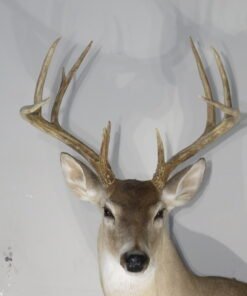
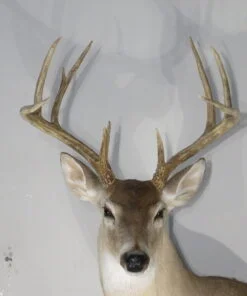
How to Skin a Deer for Taxidermy. In order to preserve enough skin for the mount, you must meticulously cape the hide of a deer for taxidermy, beginning below the shoulders and making precise incisions around the legs, brisket, and neck. It’s crucial to have the right equipment, be patient, and pay attention to details.
How to Skin a Deer for Taxidermy: A Step-by-Step Guide
Skinning your deer correctly is the first stage in producing a stunning mount in taxidermy, which is both an art and a science. The quality of the finished product depends on how the hide is removed, whether you’re making a shoulder mount or a full-body display. This useful guide will help hunters and fans comprehend the procedure.
Tools You’ll Need
Get the necessities before you start:
- A gut hook on a sharp knife allows for accurate, clean cuts.
- Larger bones and joints can be separated with a bone saw.
- To hang the deer for easier access, use a gambrel and hoist.
- Rubber gloves: for both safety and hygienic reasons.
- To keep the meat and hide free of dirt, use a clean tarp or plastic sheeting.
Step-by-Step Process
- Place the Deer
Using a gambrel and hoist, hang the deer by its hind legs. This raises the carcass, which facilitates skinning and maintains the cleanliness of the hide. - Make the First Cuts
Make a ring around the body, starting behind the shoulders.Cut each front leg’s back down to the ring cut.
Cut carefully up to the neck and around the brisket.
- The Hide Cape
Work slowly to avoid cutting too deeply as you peel the skin in the direction of the skull.To remove the hide from the muscle, use quick, deliberate strokes.
Because unintentional cuts frequently occur in thin places like the armpits and brisket, exercise extra caution in these areas.
- Take Off the Head
Leave a large amount of hide around the neck for a shoulder mount. Make sure the cape has enough skin for the taxidermist to work with by using a bone saw to cut through the vertebrae. - Maintain the Hide
To protect the hair, roll the hide flesh-side in.Until you can bring it to your taxidermist, keep it dry and cool.
Freeze the hide to avoid spoiling if it cannot be delivered right away.
Common Mistakes to Avoid
- Cutting too short: Taxidermists can trim, but they are not allowed to add more hide. Always leave excess.
- Damage to the armpits or brisket: These are thin, easily punctured areas.
- Inappropriate storage: Moisture and heat can quickly destroy a cape.
Concluding Remarks
It takes time and accuracy to skin a deer for taxidermy. The objective is to keep the hide in the greatest possible condition for mounting, not only to remove it. Many hunters would rather leave the caping process to a qualified taxidermist if they are unsure.
When done properly, your deer will become a permanent homage to hunting.