

Mountain Lion Skull For Sale | Cougar Skull For Sale
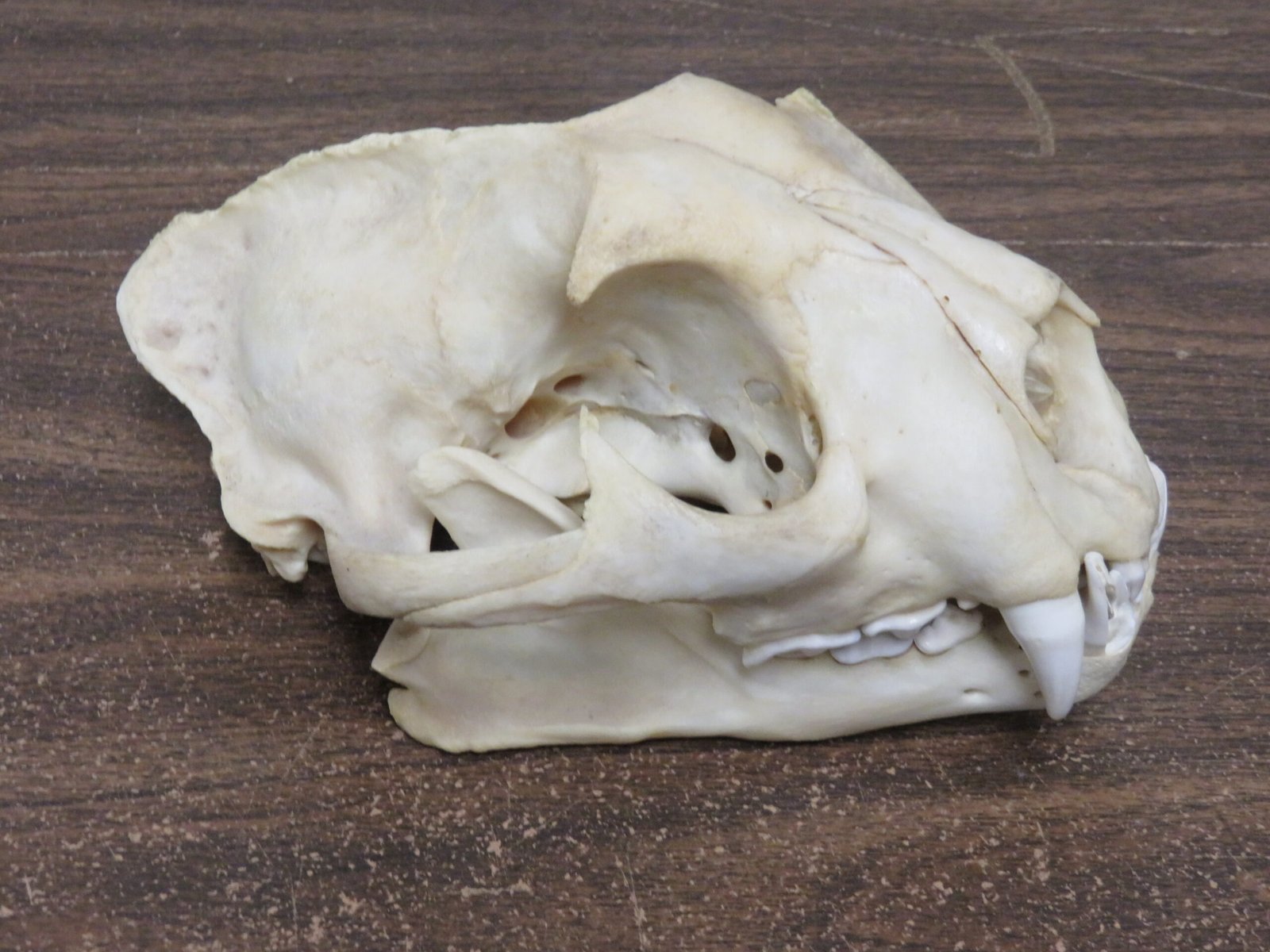
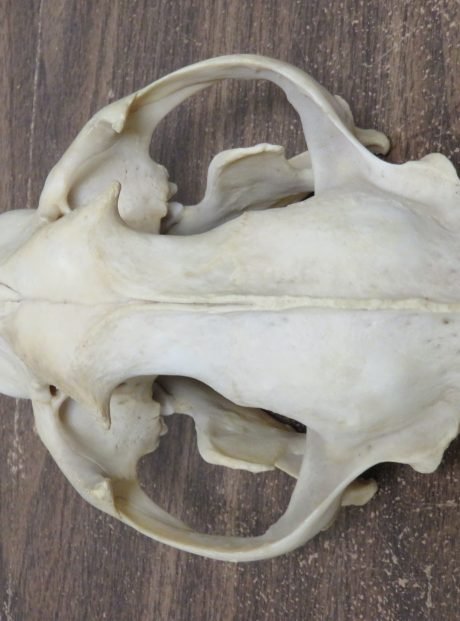
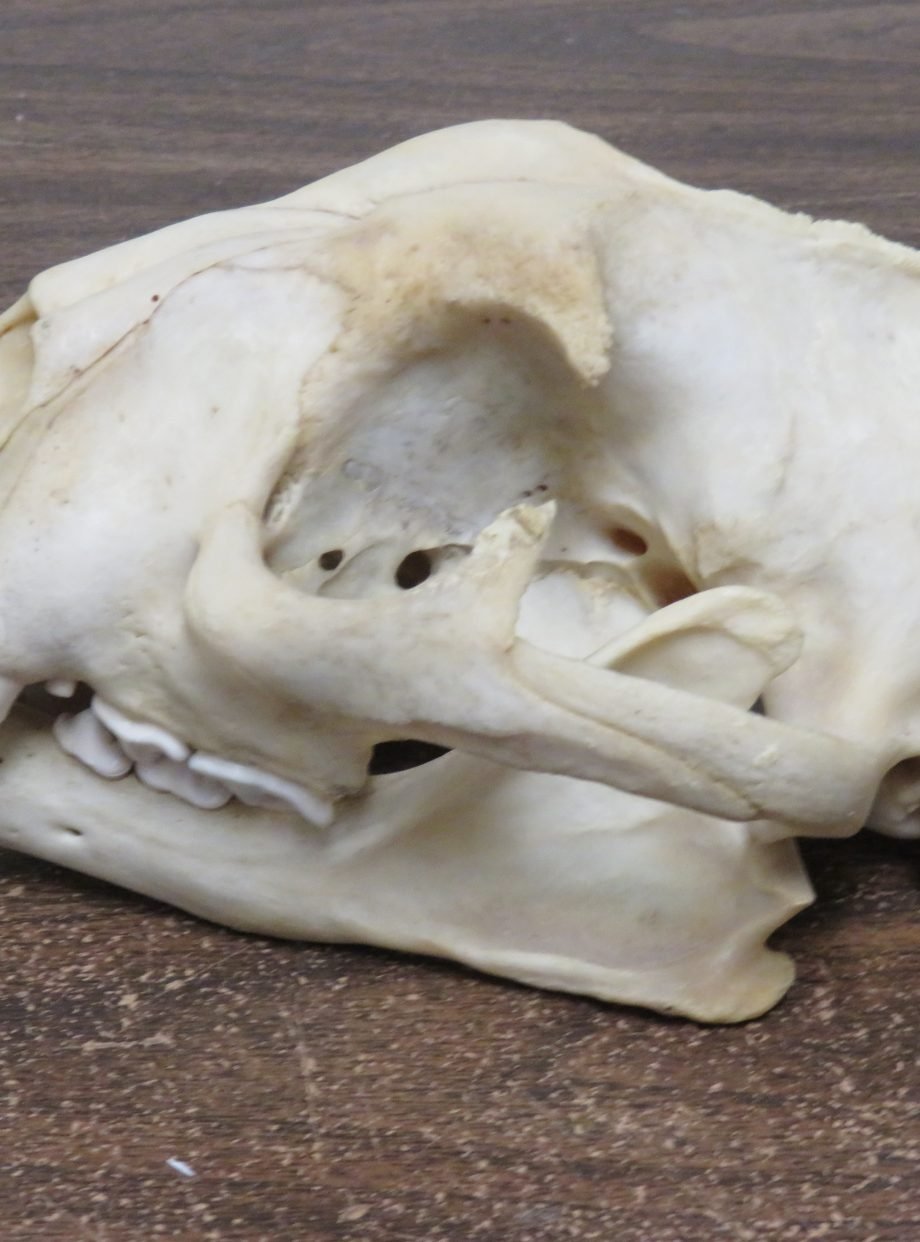
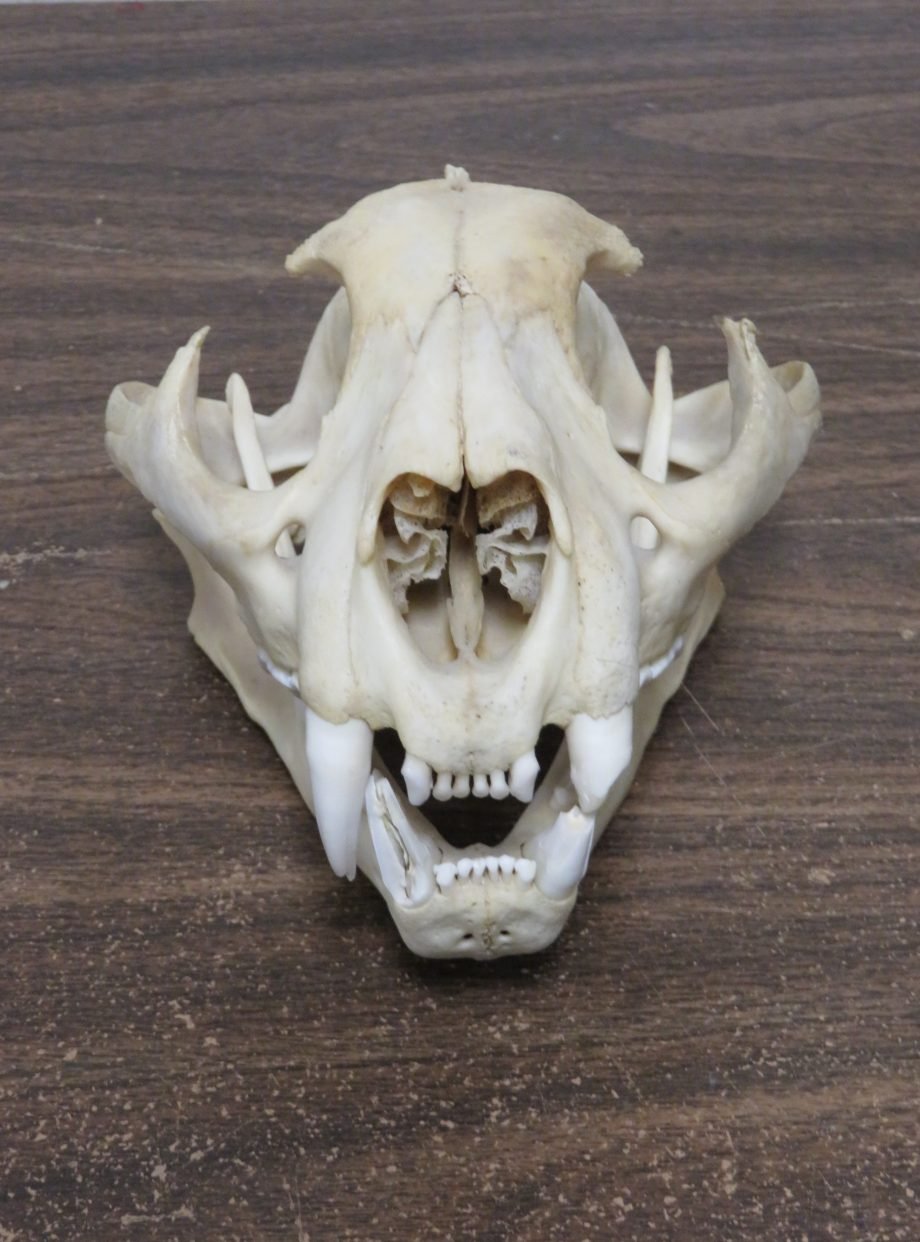
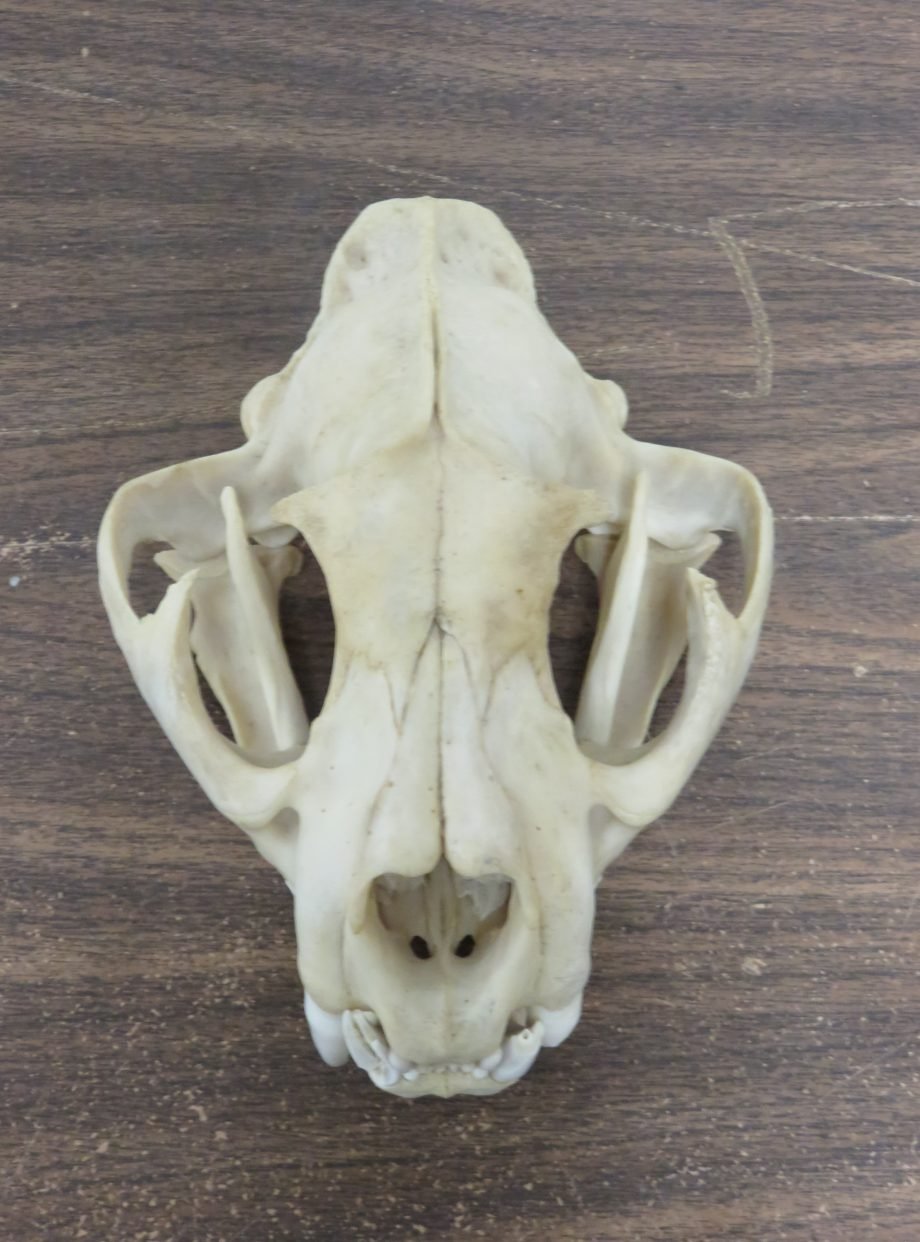
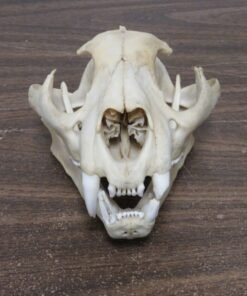
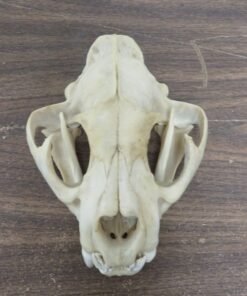
Mountain Lion Skull For Sale is a fantastic mountain lion skull from the Boone & Crockett class. This originates from a particularly big male cat, or “Tom.” Every tooth is there, but the canines are damaged. (See the pictures attached.) These big cats, often known as cougars or pumas, can be found in many parts of the United States, Canada, and Mexico.
Mountain lions can grow to be fairly enormous. Large adult males, known as “Toms,” can weigh more than 200 pounds and grow up to 9 feet in length from nose to tail. The Boone & Crockett Club can only rank the largest of these cats due to their size. This skull is 8 14/16 inches long, 6 5/16 inches wide, and 4 12/16 inches deep.
This amazing skull can be used as a standout piece or as part of a collection in your home, lodge, or place of business. It is intended to be displayed on a horizontal, level surface.
Overview Of The Mountain Lion Skull | Mountain Lion Skull For Sale
The cranium of the mountain lion (Puma concolor), sometimes referred to as the cougar or puma, illustrates its evolutionary specialization as a cunning ambush hunter. Its strength, flexibility, and keen sensory adaptations are all combined in its cranium to help it survive in a variety of environments.
Key Anatomical Features | Cougar Skull For Sale
- Size and Shape: The skull has a short rostrum (snout) that increases bite force, and it is comparatively broad and low-profile. The average length of an adult skull is between 20 and 25 cm.
- Dentition:
- • The lower first molar and upper fourth premolar are well-developed carnassial teeth that are used for shearing flesh.
• Long, conical, and deeply anchored canines are perfect for grabbing and penetrating prey. - Jaw Musculature: The big temporalis muscles that provide a forceful bite are made possible by the wide zygomatic arches (cheekbones).
- Orbital Position: Binocular vision, which is essential for perceiving depth during stalking and pouncing, is provided by forward-facing eye sockets.
- Nasal and Auditory Structures: The auditory bullae are well-developed for acute hearing, and the nasal cavity is comparatively big, helping in smell identification.
Be the first to review “Mountain Lion (Cougar) Full Skull. L-111SK”
Related products
Animal Skulls For Sale
Animal Skulls For Sale
Animal Skulls For Sale
Antlers For Sale
Animal Skulls For Sale
Animal Skulls For Sale
Animal Skulls For Sale
Animal Skulls For Sale
Reviews
There are no reviews yet.