Elk Hide For Sale | Buy Elk Hide
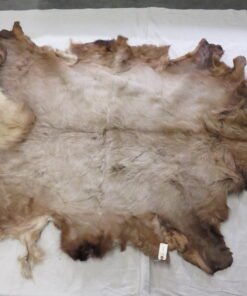
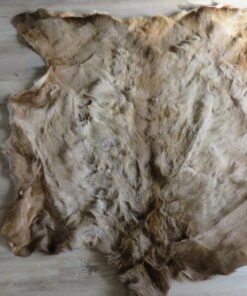
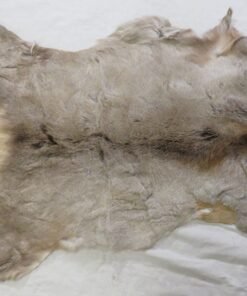
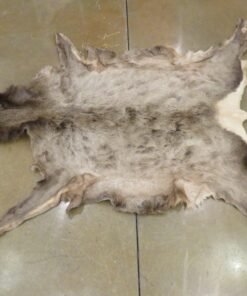
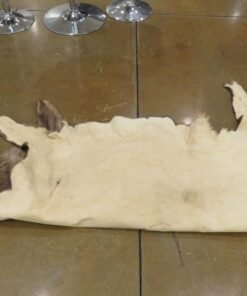
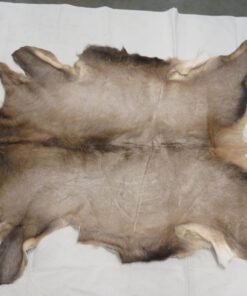
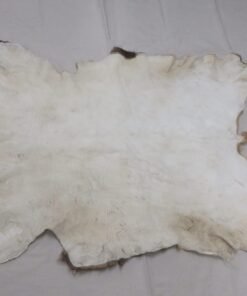
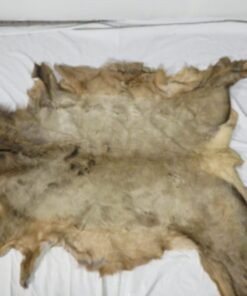
Elk Hide For Sale Elk skin is a sturdy, culturally significant material that has been used historically for clothing, shelter, and art. Today, it is prized for leatherwork, taxidermy, and ornamental displays.
Historical And Cultural Importance | Elk Hide For Sale
- Indigenous customs: Plains and Great Basin tribes relied heavily on elk hides in their daily life. They provided warmth and durability in challenging environments and were used for clothing, robes, and tipi covers.
- Painted hides: Elk hides were used by tribes like the Cheyenne and Shoshone to create narrative canvases that portrayed conflicts, rituals, and religious beliefs. These painted skins served as records of group identification and were both utilitarian and symbolic.
- Ceremonial use: Sacred rites like the Sun Dance were frequently depicted in elk hide drawings, which strengthened spiritual significance and cultural continuity.
Modern Uses of Elk Hide | Buy Elk Hide
- Leather goods: Elk leather is perfect for gloves, jackets, moccasins, and purses since it is softer and more flexible than cowhide.
- Taxidermy and décor: To highlight the animal’s inherent beauty, hunters and collectors preserve elk hides as carpets, wall hangings, or mounts.
- Craft projects: Artists combine practicality and creativity by using elk skin for bookbinding, drumheads, and rustic furniture accessories.
- Dog training aids: Elk strips are used to train scent-tracking dogs, just like deer hide.
Preparation And Preservation | Elk Hide For Sale
- Drying and salting: To stop bacterial deterioration, fresh hides need to be salted.
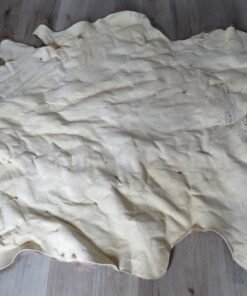
- Tanning: Elk hides can be processed using either modern chemical tanning for durability or traditional brain tanning, which results in soft, breathable leather.
- Painting and decoration: Native painters still use natural colors like ochre and berry dyes to decorate hides.
Is Elk Hide Stronger Than Deer Hide?
Although it is not as thick as bison, elk leather is heavier and tougher than deer leather. It wears better, stretches less than deer, and is incredibly soft and supple to the touch. It is highly valued for its peculiar grain and texture, which set it apart from other types of leather.