Mule Deer Antlers For Sale | Mule Deer Antler
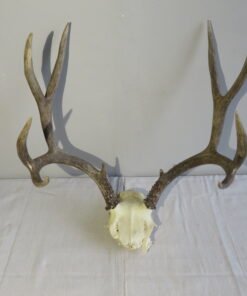
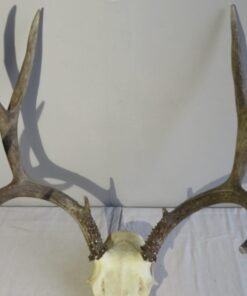
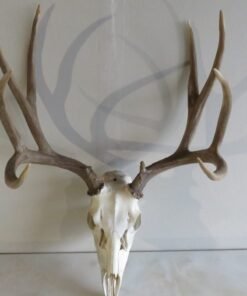
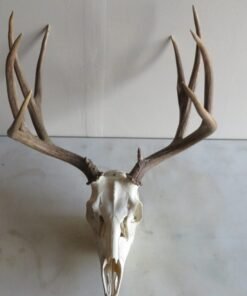
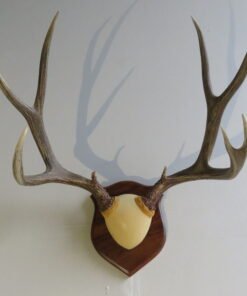
Mule Deer Antlers For Sale One of the most identifiable characteristics of this species in western North America is the bifurcated (forked) form of mule deer antlers.
Anatomy & Growth | Mule Deer Antlers For Sale
- Antlers are made of bone. During growth, mule deer antlers are living tissue that receives blood through a velvet covering.
- Seasonal cycle: Bucks start developing their antlers in the spring and continue to do so quickly throughout the summer. Velvet sheds by late summer, exposing stiffened bone.
- Annual shedding: Every winter, mule deer shed their antlers and grow new ones the following year. This cycle is linked to hormonal shifts that are impacted by the duration of daylight.
- Forked structure: Mule deer antlers, in contrast to those of white-tailed deer, usually divide into two main beams that fork again to form a “Y” configuration.
Mule Deer Antlers In Taxidermy | Mule Deer Antler
Because of their unique forked structure and rough Western look, mule deer antlers are highly valued in taxidermy. They are a favorite among collectors, instructors, and lodge décor since they represent both hunting tradition and natural history.
Common Taxidermy Styles | Mule Deer Antlers For Sale
Shoulder Mounts:
- The head and upper shoulders are positioned on a form in the traditional presentation.
- dramatically draws attention to the antlers, particularly on mature males with large spreads.
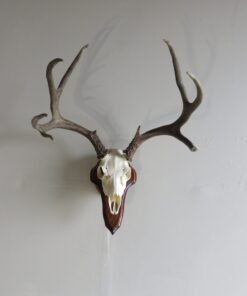
European Skull Mounts:
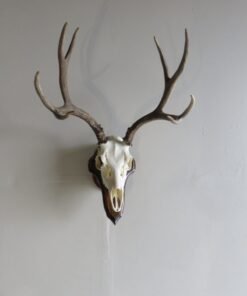
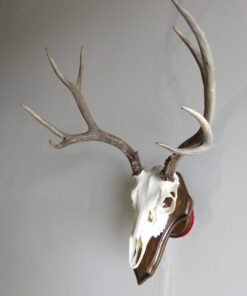
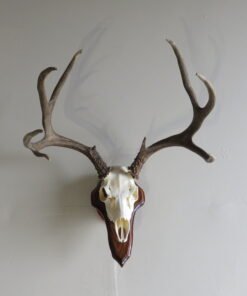
- cleaned skull with antlers still attached, frequently polished or bleached for a simple, organic appearance.
- popular for educational exhibits or contemporary homes.
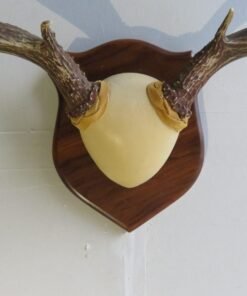
Antler Plaques:
- Antlers affixed to leather or wood plaques, occasionally with etched plates.
- A small-sized choice for collectors with little room.
Shed Antler Displays:
- Chandeliers, rustic furniture, or clusters of naturally shed antlers.
Do Female Mule Deer Have Antlers?
From snout to tail, their length ranges from 3.9 to 6.9 feet. Adults range in weight from roughly 100 pounds for females to roughly 300 pounds for males. During the breeding season, or “rut,” male mule deer, known as bucks, use their forked antlers as weapons to ward off rivals seeking mates. Antlers are absent from females.
What Is The Difference Between A White Tail and a Mule Antler?
Single tines emerge from a main beam on whitetails, and the typical mature buck has four or five points on each side, including the brow tine, or “eye guard.” The tines of a mule deer’s “bifurcated” antlers fork above the main beam.
Animal Skulls For Sale
Animal Skulls For Sale
Animal Skulls For Sale
Animal Skulls For Sale
Antlers For Sale