Snake Hide | Hides For Snakes
Snake Hide The distinctive texture, pattern, and cultural significance of snake hides make them eye-catching natural materials. They provide both practical utility and creative inspiration and have been utilized for ages in craft, fashion, and natural history exhibits.
Biological Features | Snake Hide
- Scales and patterns: The overlapping scales that cover snake hides produce unique geometric patterns. From the iridescent sheen of pythons to the diamond-shaped patterns of rattlesnakes, every species has its distinctive coloring and arrangement.
- Durability: When properly tanned, snakeskin is very tough and flexible, despite being thinner than animal hides.
- Size variation: While giant constrictors like boas and pythons produce broad, continuous hides, little colubrids produce thin strips.
Tanning & Preparation | Hides For Snakes
- Dry preservation: In the past, skins were stretched and dried to preserve scale detail while keeping them rigid.
- Chemical tanning: To soften and stabilize the skin for long-term use, contemporary techniques employ vegetable or chrome tanning.
- Finishing: To emphasize the snake’s natural coloring, hides might be polished, dyed, or left unaltered.
Uses of Snake Hides | Snake Hides For Sale
- Fashion & accessories: Because of its exotic appearance, snake leather is frequently used in belts, boots, handbags, and watch straps.
- Decorative art: Framed hides, panels, and inlays can be used as rustic décor or natural history exhibits.
- Educational specimens: Snake hides are used in classrooms and museums to teach about the biology and adaptability of reptiles.
- Crafting: Hides are used by artisans to create jewelry, ornamental pieces, and knife sheaths.
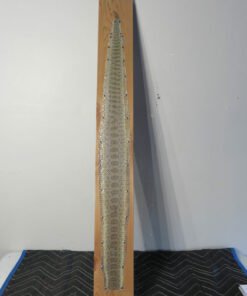
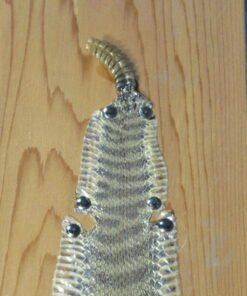
Reptile Hides
$435.00

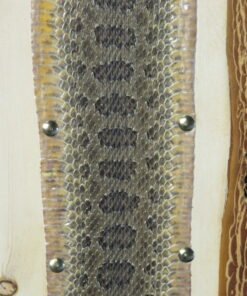
Reptile Hides
$450.00